

Why Is High-Quality Welding Critical?
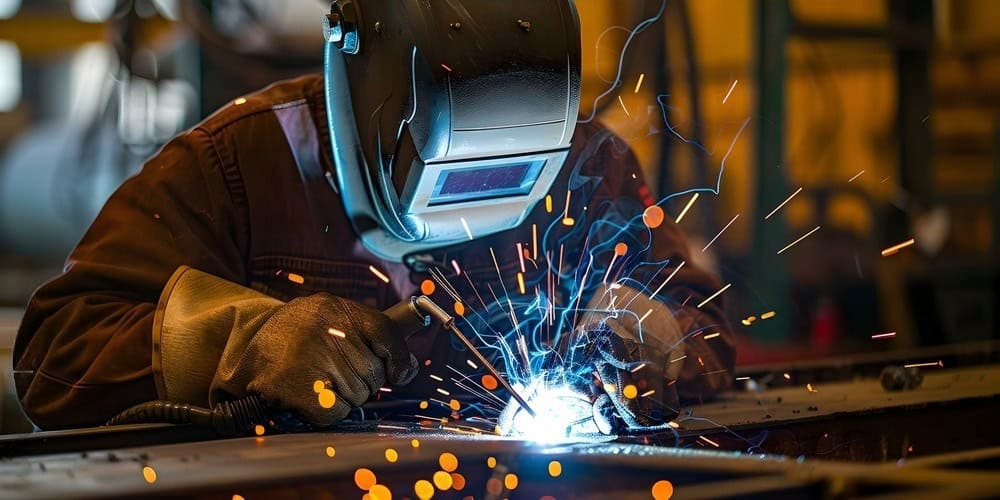
Welding plays a vital role in safety and performance in industries like construction, aerospace, and manufacturing. Selecting the appropriate welding technique is crucial for completing the job while maintaining structural strength and adhering to compliance requirements. Poorly executed welds can compromise an entire project, while high-quality techniques provide lasting results.
Structural Integrity and Safety
Every weld is responsible for holding critical components together. A weak joint in a bridge, building, or pipeline can lead to failure. Choosing to work with skilled welding services can help you achieve strong, precise joints that safeguard both people and infrastructure.
Longevity and Durability
A properly welded joint resists corrosion, fatigue, and stress over time. For example, in energy and transportation applications, welds must withstand heavy use and harsh conditions. Investing in quality welding from the beginning will save you time, prevent early failures, and even extend the lifespan of your assets.
Cost-Effectiveness
Although advanced welding techniques may seem more costly upfront, they ultimately minimize long-term expenses. That’s because poor welds tend to require more frequent repairs, downtime, and replacement parts. By prioritizing skilled work, businesses can reduce future costs and keep operations running smoothly.
Regulatory Compliance
Many industries face strict codes, such as AWS and ISO standards. High-quality welding ensures that you meet these stringent requirements, protecting your reputation and helping you avoid costly delays or penalties.
Aesthetic Appeal
A visible weld on a luxury vehicle or architectural feature will need to meet both functional and aesthetic expectations. Clean, polished welds not only promote structural integrity but also enhance the overall appearance of the finished product.
Welding Techniques and Applications
A range of welding methods are available to meet functional and compliance requirements. These include more common techniques such as MIG, TIG, and stick welding, along with more advanced methods, depending on your requirements.
MIG Welding
Metal Inert Gas (MIG) welding is a versatile and efficient process. It uses a continuous wire electrode and shielding gas to create strong, clean welds. This method is widely used in manufacturing and repairs and strikes a balance between performance and cost-effectiveness.
MIG welding is often used in automotive frames, metal furniture manufacturing, and production lines where speed and consistency are key.
Stick Welding
Stick welding, also known as arc welding, is valued for its ability to handle thicker materials. It uses a consumable rod that produces the arc between the electrode and the workpiece, melting both to form the weld.
Stick welding is common in outdoor construction, heavy machinery repairs, and structural components for infrastructure projects.
TIG Welding
Tungsten Inert Gas (TIG) welding delivers precision unmatched by other methods. It requires skill and control, but the results are exceptionally clean and durable.
TIG welding can be used on a broad range of materials, from aluminum to precious metals. Aerospace parts, instruments, and high-performance equipment can all benefit from using this welding technique.
Gas Welding
Gas welding uses oxygen and acetylene, which makes it a flexible option for fusing metals without electricity. This method is especially suitable for repair technicians who value portability and control. It can be used in automotive repairs, plumbing work, and decorative metal projects.
Plasma Arc Welding
This method uses ionized gas and a recessed electrode to deliver highly focused heat. It’s prized for welding thin metals where precision and reliability are critical.
Applications of plasma arc welding range from turbine blades to aerospace seals and other components requiring exact tolerances.
Electron Beam and Laser Welding
Among the most advanced welding methods, electron beam and laser welding provide deep, narrow welds with minimal heat distortion. They are ideal for delicate or high-value components where precision cannot be compromised. Some examples of where these can be used include aerospace and defense components, surgical instruments, and microelectronics.
Top-Quality Metal Welding from Industrie Lemieux
Choosing the right welding process depends on your application, materials, and performance requirements. At Industrie Lemieux, we specialize in stainless steel welding and stainless steel polishing, and continue to invest in new equipment, technology, and training to meet diverse project requirements.
By offering a full range of metal welding methods, we ensure every joint is strong, compliant, and built to last.
Whether you need support for large-scale manufacturing, infrastructure development, or specialized repairs, our team is ready to help. Contact us today to discuss your project or request a quote for customized welding solutions.




Leave A Comment