

What is Metal Finishing?
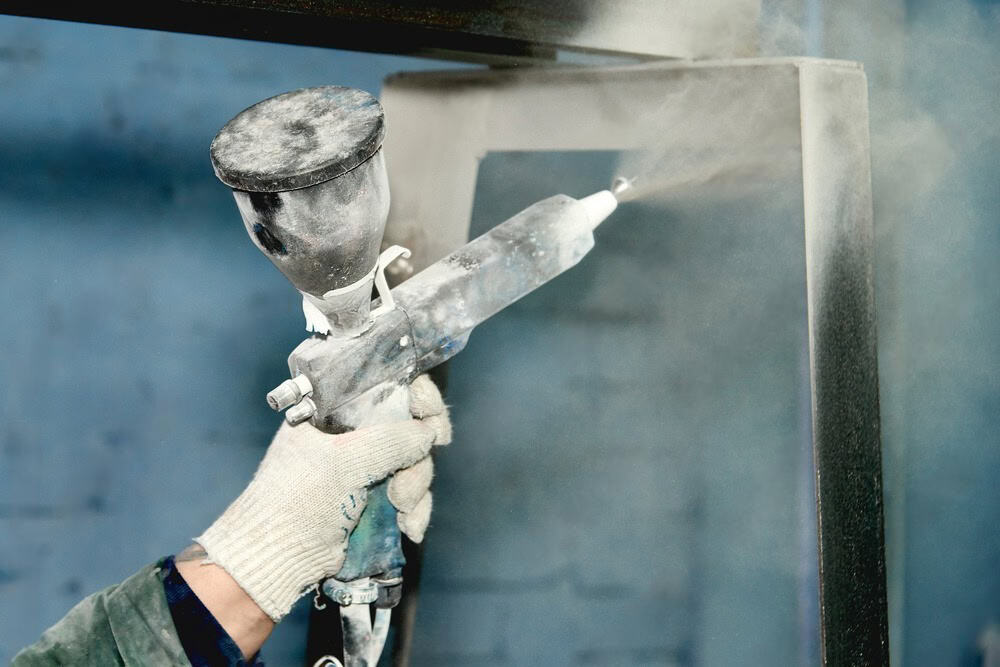
Metal finishing involves a set of chemical and mechanical processes that can improve durability and appearance in metal surfaces, as well as resistance to corrosion. Metal finishing is critical for components across a range of industries, including automotive, aerospace, food processing, construction, oil and gas, and medical. Some of the potential metal finishes include polishing, abrasive blasting, powder coating, zinc plating, and polishing, along with pre-treatment.
The end result is a surface that benefits from increased corrosion resistance, cleanliness, wear resistance, visual appeal, and the ability to meet certain industry requirements.
Why It Matters for Industrial Equipment
Many surfaces need corrosion resistance to prevent oxidation and eventual rusting that could otherwise result from exposure to environmental factors. The right finish can also protect surfaces from abrasion and friction damage, especially among load-bearing and moving components.
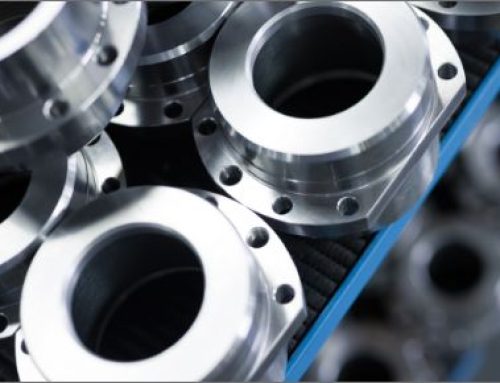
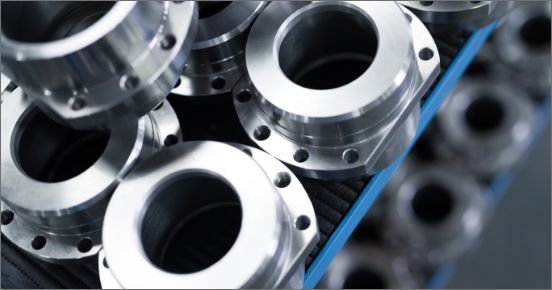
Polished stainless steel surfaces are easier to clean and sanitize, which is essential in medical and food-grade components that might otherwise risk contamination. Additionally, some finishes come with specific functional benefits, such as heat resistance or electrical conductivity.
Common Metal Finishing Processes
Depending on the application, there are multiple metal finishing processes you may use, ranging from abrasive blasting to polishing and stainless steel passivation.
Abrasive Blasting (Sandblasting)
Abrasive blasting, also known as sandblasting, is ideal for removing paint, rust, scale, and various contaminants and can prepare the surface for further coating. Many types of abrasive media can be used in this process, such as:
- Ceramic bead
- Aluminum oxide
- Steel shot
- Dry ice
- Glass bead
- Garnet
- Soda
- Silicon carbide
- Sodium bicarbonate
- Coal slag
This process also works with different materials, including stainless steel, certain alloys, aluminum, concrete, and titanium.
Stainless Steel Passivation
This chemical process is used to remove contaminants and free iron from the surface of stainless steel components. In doing so, passivation gradually restores the material’s chromium oxide layer for increased corrosion resistance. Various testing methods can be used for quality assurance, including:
- Boil testing
- Copper sulfate
- Humidity exposure
- Ferroxyl
- Water immersion
- Salt spray
Passivation is used with varying metal materials, from precipitation-hardened stainless steels to titanium and exotic alloys.
Polishing and Surface Conditioning
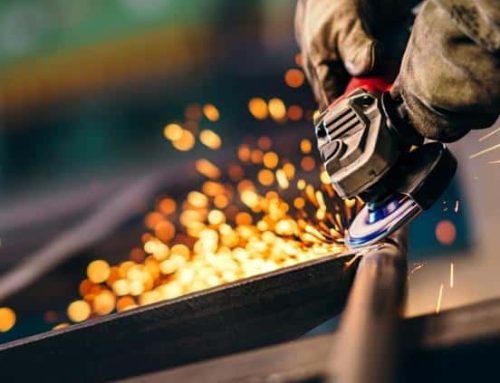
Polishing works to refine surfaces using a mechanical process that optimizes the material’s corrosion resistance and hygiene while improving aesthetics. Surface conditioning includes pre-treatment processes like vapor degreasing, chemical descaling, ultrasonic cleaning, and pickling. Polishing is particularly important in applications that prioritize surface smoothness and sanitation.
Choosing the Right Process
The surface material will largely dictate which process is right for your application, with passivation working best for stainless steel and anodizing being better suited for aluminum surfaces. You must also consider performance requirements for parts, including wear resistance, corrosion resistance, visual finish, and hygiene.
In addition, some environmental factors could influence the process choice, such as temperatures, chemicals, and moisture. The process you select should help meet relevant industry standards. Production requirements are also important to consider, including the geometry, size, quantity, and turnaround time needed for parts.
Selecting a Metal Finishing Provider
The metal finishing provider you choose should have demonstrable experience in providing finishing for parts similar to yours and with the specific finishing process you require. At Industrie Lemieux, we have multiple certifications backing our services, including ISO 9001 and AWS. We also work to maintain compliance with ASTM, ASME, CSA, and FAA standards.
We have the capacity for everything from single-unit and prototyping to high production volumes based on our customers’ needs, with the added ability to provide rush service.
Industry Applications
Some common applications for industrial metal finishing include:
- Aerospace. Metal components in this industry require superior corrosion resistance to perform in harsh conditions and high altitudes.
- Automotive. Many automotive parts use metal finishing for improved corrosion resistance, visual appeal, and wear protection.
- Oil and gas. Components in this industry often need treatment to protect against saltwater corrosion and exposure to chemicals.
- Medical. Instruments and equipment require polishing and other finishing processes to optimize biocompatibility and sterility.
- Construction/Heavy equipment. Components in outdoor environments often benefit from coating and sandblasting to increase durability.
Partner With Experts for Proven Metal Finishing Results
Metal finishing is a popular process that offers many benefits for a wide range of equipment and components, including improved performance, longer service life, and consistent regulatory compliance. Industrie Lemieux has extensive experience in this industry, with critical certifications and testing to maximize quality with every solution.
Contact us today to learn more about our company and processes, or request a quote to discuss passivation, polishing, or other finishing services for your specific application.




Leave A Comment