

Industrie Lemieux is a premier metal fabricator executing custom steel and stainless steel manufacturing, precision machining, and industrial finishing services. We support OEMs in the mining, transportation, energy, and water treatment sectors by engineering heavy-duty components designed for harsh operating environments.
Stainless steel is known for durability, but fabrication can leave the surface vulnerable. Without proper surface treatment, even high-grade alloys can develop corrosion. Stainless steel passivation is the electrochemical process that removes surface contaminants and restores the metal’s natural defense mechanism. This step establishes long-lasting stainless steel corrosion protection, preventing premature component failure in the field.
Learn more about stainless steel passivation, the mechanisms behind stainless steel corrosion protection, and our in-house fabrication capabilities below.
Stainless Steel Passivation: What It Is
Stainless steel passivation is a chemical treatment that strips free iron contamination from a metal surface to restore its protective chromium oxide layer. When the chromium inside a stainless alloy reacts with oxygen, it forms a microscopic, inert shield. However, fabrication processes disrupt this protective layer.
To fix this, we submerge the fabricated part in a precise acid bath- typically citric or nitric acid, governed by strict standards like ASTM A967. The acid dissolves embedded iron and machining debris without damaging the base metal. Once the surface is clean, ambient oxygen reacts with the exposed chromium to re-form a uniform, passive oxide film.
Why Does Stainless Steel Need Passivation?
Fabricating a raw sheet of stainless steel into a functional OEM component introduces physical and thermal changes that weaken the material’s natural corrosion resistance:
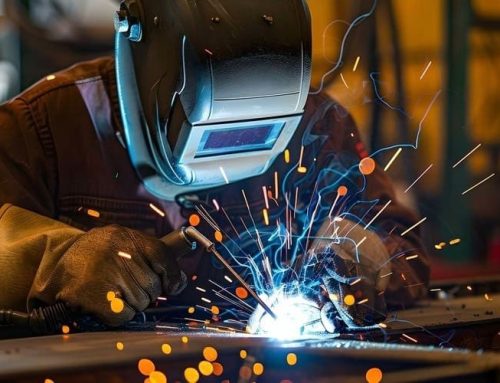
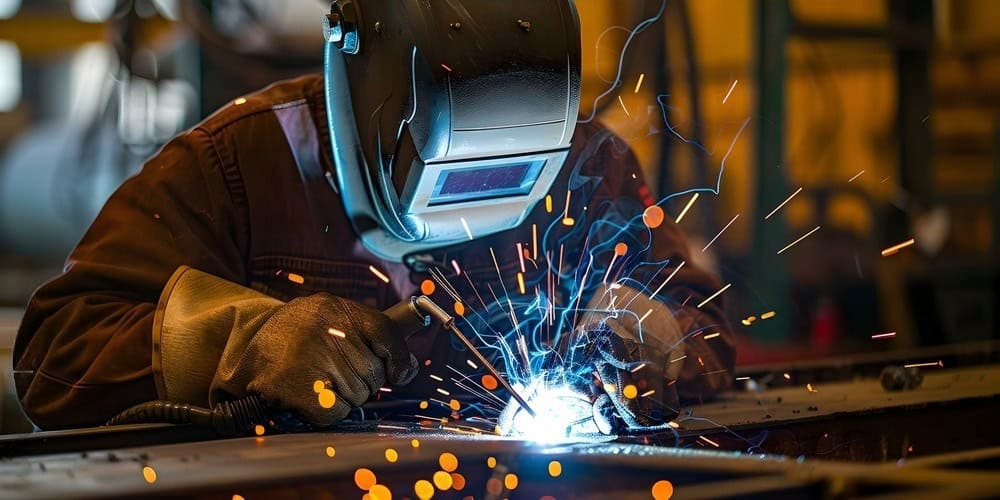
- Welding heat. High temperatures alter the metallurgical structure, depleting chromium near the weld zone and leaving behind a vulnerable heat tint.
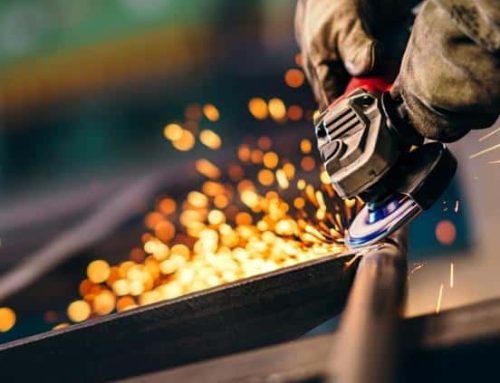
- Machining and grinding. Cutting tools, press brakes, and grinders can embed microscopic carbon steel particles into the stainless surface.
- Shop contamination. Handling can expose the surface to airborne iron dust and shop contaminants.
If not removed, these particles can act as localized corrosion sites. The iron corrodes, breaking the chromium barrier and allowing rust to spread deep into the component. Stainless steel passivation neutralizes these anchors before oxidation begins.
The Stainless Steel Passivation Process
To achieve verifiable stainless steel corrosion protection, we execute a highly controlled, multi-stage procedure:
- Alkaline pre-cleaning. We strip away cutting fluids, shop oils, and greases. Acid cannot treat a surface it cannot physically touch.
- Acid immersion. We submerge the component in a calibrated acid solution at specific temperatures to dissolve free iron and heavy metals.
- High-purity rinsing. We flush the part with deionized water, neutralizing the surface to stop the chemical reaction.
- Aeration. We expose the clean component to ambient air, so the chromium oxide layer can regenerate.
Benefits of Stainless Steel Passivation
Passivation improves performance and reduces long-term maintenance requirements. Other key benefits include:
- Extended component lifespan in high-moisture or chemical-heavy environments
- A uniform, clean surface finish free of weld discoloration
- Maximum resistance against pitting and crevice corrosion
- Strict compliance with ASME and ASTM standards for medical, food-grade, or water treatment applications
- Drastically reduced field maintenance and replacement costs
Industrie Lemieux: Our Expertise in Stainless Steel Passivation
As an ISO 9001 and CWB-certified manufacturer, we integrate stainless steel passivation directly into our production workflow. When you partner with us, your components move from fabrication to passivation within the same facility.
This integrated approach eliminates the logistics friction of outsourcing your finishing work. We control the acid concentrations, immersion times, and final testing parameters, maintaining consistent results across production runs. From rapid prototyping to full-scale assembly, we execute the technical rigor your supply chain demands.
Contact Industrie Lemieux to Learn More
Effective stainless steel corrosion protection requires more than just selecting the right alloy- it demands precise chemical finishing. Stainless steel passivation removes destructive fabrication contaminants, restores the chromium oxide barrier, and helps maintain long-term performance of heavy-duty components.
At Industrie Lemieux, we treat this finishing process as a fundamental manufacturing requirement. If your next production run demands verifiable stainless steel corrosion protection and consistent quality, contact us or request a quotation to discuss your exact specifications.




Leave A Comment